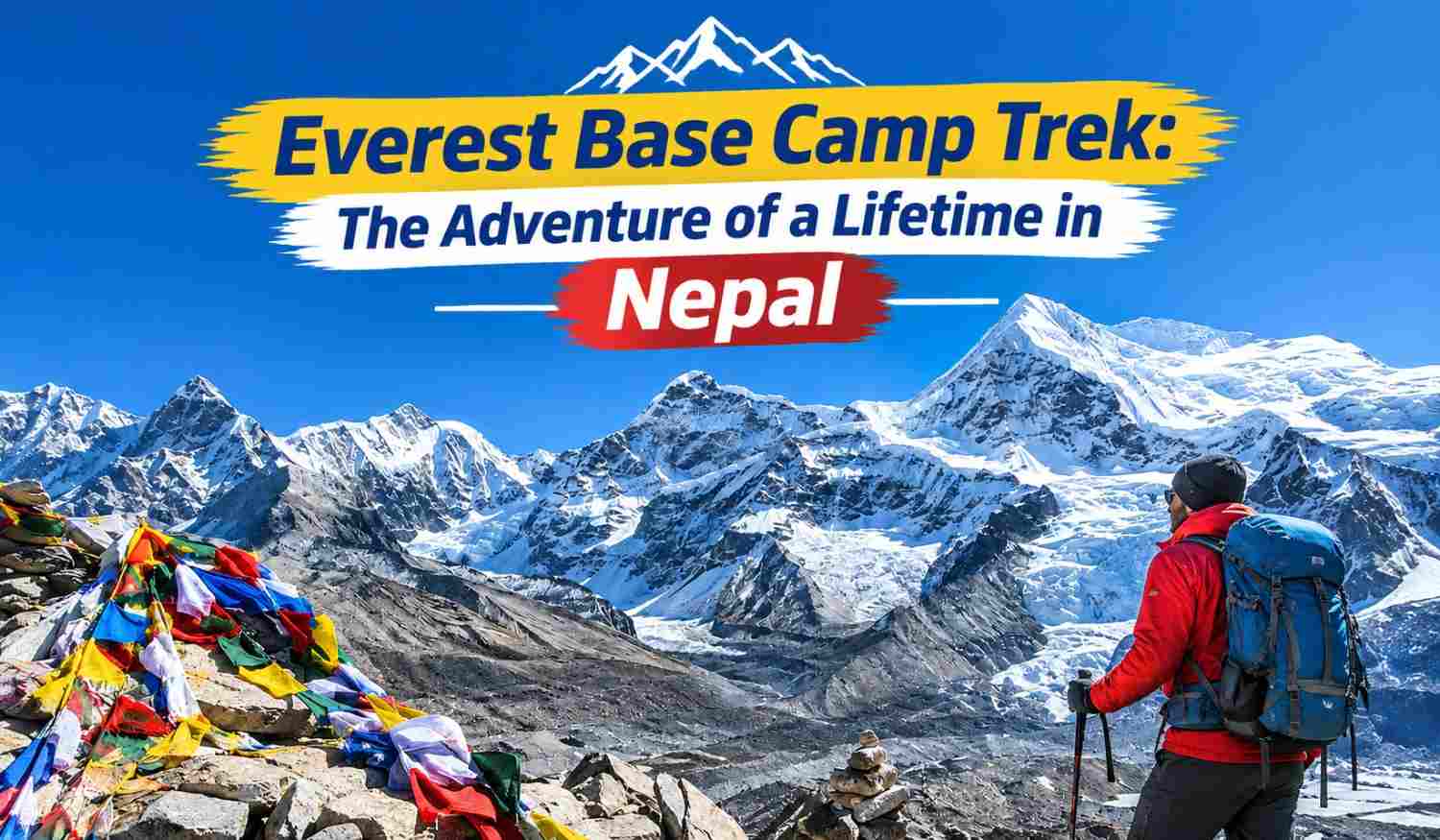
Everest Base Camp Trek: The Adventure of a Lifetime in Nepal
Everest Base Camp Trek is not only a wonderful opportunity to see all the beauty of the Nepalese Himalayas, including high peaks, unique forests, and alpine meadows, but a true experience of the Sherpa people and their way of life.
A typical Everest Base Camp trek route includes a scenic flight from Kathmandu to Lukla and a passage through mountain villages, valleys, glaciers, and high mountain passes on the way to the Everest Base Camp and back. Also, it involves exploring Tibetan monasteries and local Nepalese culture and traditions. The Nepal tourism board puts the distance of the Everest Base Camp Trek from Lukla at about two weeks, including rest days for acclimatization.
Getting Acquainted with Lukla and the First Mountains
Lukla is a small village and the starting point of the Everest Base Camp Trek. Here, trekkers spend the night and then embark on a journey through the valley of Dudh Koshi and the mountainous landscape towards Namche Bazaar, the center of trade and the most significant village in the region. On the way to Phakd# Everest Base Camp Trek: The Adventure of a Lifetime in Nepal Essay
Everest Base Camp Trek is not only a wonderful opportunity to see all the beauty of the Nepalese Himalayas, including high peaks, unique forests, and alpine meadows, but a true experience of the Sherpa people and their way of life.
A typical Everest Base Camp trek route includes a scenic flight from Kathmandu to Lukla and a passage through mountain villages, valleys, glaciers, and high mountain passes on the way to the Everest Base Camp and back. Also, it involves exploring Tibetan monasteries and local Nepalese culture and traditions. The Nepal tourism board puts the distance of the Everest Base Camp Trek from Lukla at about two weeks, including rest days for acclimatization.
Namche Bazaar and the First Glimpses of Everest
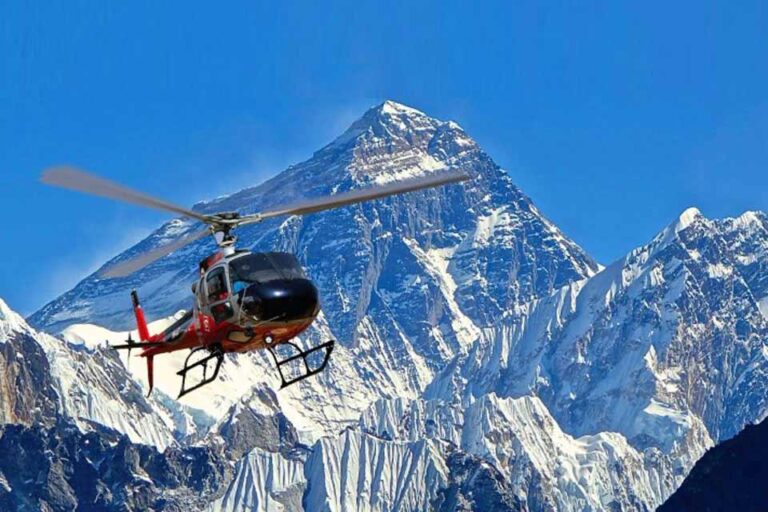
Namche Bazaar is a significant market town located at an altitude of about 3,500 meters. It is a great place to stop and explore. It is customarily included in all itineraries, as it provides an acclimatization day and the first views of Everest and its neighbors. It is a full-fledged village with shops, restaurants, teahouses, and other accommodations for trekkers. The surrounding high mountains are an astonishing sight, and one can see Thamserku, Kangtega, Ama Dablam, Lhotse, and Everest.
Most people spend a whole day exploring the surrounding area and get used to the altitude. Acclimatization is crucial because the next destination, Tengboche, is a bit higher and also has magnificent views of the mountains.
Tengboche and the Monastery of the Himalayas
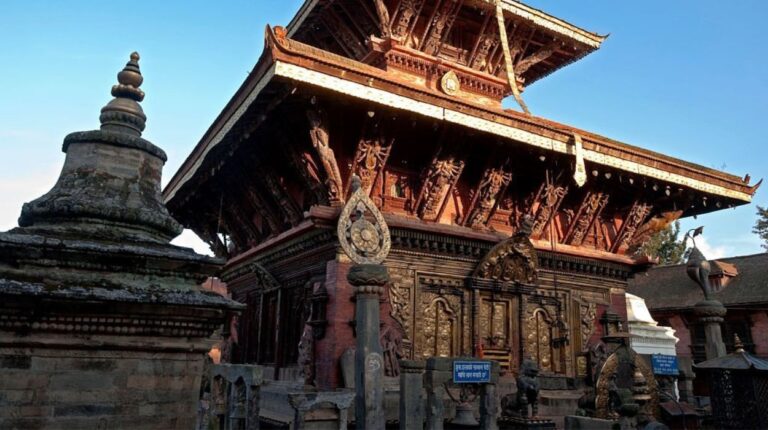
On the way to Tengboche, trekkers follow the Imja Khola valley, which passes through forests and hills, and the mountains rise higher and higher, most notably Ama Dablam. Tengboche is a famous Sherpa village, located at 3,867 meters, and it is the second-largest settlement in the region. The attraction of Tengboche is the monastery, which is one of the most important spiritual centers for the local people.
This monastery usually hosts the Mani Rimdu festival, which is an attraction in itself. But, more importantly, the village is an excellent place for acclimatization. This is the last chance to have a proper rest before going up to the steep mountain tracks. This is also where one can see many artifacts and learn more about Tibetan Buddhism. Noteworthy, prayer flags, mani stones, and wheels, as well as various altars and shrines, are part of the local culture and should be respected.
While visiting Tengboche, it is essential to keep in mind that the local population is very religious, and therefore, it is necessary to behave respectfully in the village and the monastery in terms of dress-code and other rituals.
Open Mountains and High Valleys beyond Dingboche
After Tengboche, the trail goes through the valley, which becomes more spacious and less wooded. The mountains tower above, making the trail less interesting but very atmospheric. The trail goes through villages like Pangboche, Dingboche, Pheriche, and others. Dingboche is also a good place for acclimatization and exploring the local area.
From this settlement, trekkers go to Lobuche, where the mountains get more prominent and the country more desolate and empty. From Dingboche, the next destination is Lobuche, and the trail goes through the valley. According to the Nepal tourism board, from here, the road leads through the Khumbu Glacier and the mountainous villages to the Everest Base Camp.
The Beauty of Khumbu Glacier and Gorakshep
Lobuche is a small village on the side of the lateral moraine of the Khumbu Glacier. From there, the journey leads through rock and ice formations to Gorak Shep, which is believed to be the last village before the Everest Base Camp. From Gorakshep, one can see the most fantastic views of the Himalayas. The trail goes to the Everest Base Camp right next to the glacier. However, the Nepal tourism board warns that the path is difficult because it is rocky and uneven.
The Everest Base Camp is the end of the Everest trail. However, despite the victory, the journey back is even more challenging due to rapidly changing weather and altitude.
Seeing the Mountains from Kala Patthar
One of the best viewpoints in the Everest region is Kala Patthar. At an altitude of 5,545 meters above sea level, it offers spectacular views of the Everest massif and surrounding peaks. To see the sunrise from this vantage point is considered a once-in-a-lifetime experience. Trekkers set out for Kala Patthar right after breakfast and spent only about an hour and a half there.
Though it is a demanding climb, the views from the top are worth the effort. The morning weather is usually clear, and the snow-capped peaks of Everest, Nuptse, Pumori, and others are painted in golden colors. The most memorable experience of visiting the Everest region is seeing the sunrise from Kala Patthar.
Insight into the Lifestyle of the Local People
It is hard to realize that such an ice-cold place with a glacier and high mountains can be a home for someone. However, the local people, mainly the Sherpa, have adapted to the environment and developed unique culture and traditions. The United Nations Educational, Scientific and Cultural Organization (UNESCO) includes the cultural landscape of the Himalayas in the list of World Heritage Sites of Nepal because local people and nature have created a perfect balance in this area.
Therefore, trekkers should take care of the environment and local traditions. First and foremost, it is essential to respect the local population and their way of life. It is better to ask permission before taking photos of people, and it is prohibited to touch or defile any religious objects in monasteries. Moreover, following the rules in the local area and shopping in local stores supports the local economy and helps the people.
The Best Time for Trekking to the EBC
The best months for trekking are spring and autumn because of the superb views of the mountains and generally pleasant weather. According to the Nepal tourism board, the best time for visiting Sagarmatha National Park is from March to May and from October to November. During the first month of Autumn, there is a beautiful Himalayan landscape with blooming flowers in the lower valleys.
However, winter is very cold at higher elevations, and the monsoons season is associated with wet and cloudy weather, which may be dangerous while trekking. Overall, the weather in the mountains may be unpredictable, and it is important to be prepared for it.
The Responsibility of Trekkers to Keep Mountains Clean
Since the area around Everest is rich in nature and culture, trekkers should care about preserving the beauty of this place. Notably, Sagarmatha National Park protects the natural environment and ethnic traditions of the local population.
Therefore, everyone who decides to make this trip should leave no trace on the mountains. The easiest way to do this is to dispose of trash properly, reduce plastic and other non-recyclable materials, and use reusable water bottles while hiking. In addition, respecting the cultural heritage and natural wealth of the region also means not to disturb wildlife and keep to the trails. Following these guidelines make a trekker eco-friendly and responsible for the environment.
ing and Monjo, there are many attractions: bridges, rivers, forests, mountain trails, and villages. Monjo is the first village in the Upper Dudh Koshi Valley, and it is also the entrance to Sagarmatha National Park.
Most trekkers spend a couple of days in Lukla getting acclimatized to the altitude. The path to Namche bazaar is steep, but the views of the surrounding mountains range from moderate to breathtaking. Upon arrival in Namche Bazaar, another acclimatization day is traditionally spent, and trekkers get their first views of the Himalayas.