
Waterfalls in Bihar: When people picture Bihar, they usually think of Bodh Gaya’s temples, Patna’s riverside ghats, or Nalanda’s ruins – not waterfalls. I’ve spent the better part of ten years traveling through the state’s lesser-known corners for travel documentation and current-affairs research, and one of the biggest surprises I keep coming back to is how many genuine waterfalls Bihar hides in its southern plateau belt. Most of them sit inside the Kaimur, Rohtas, and Nawada districts, tucked into the Vindhya-Kaimur escarpment where the Gangetic plains suddenly give way to forested hills.
This guide pulls together everything I’ve verified during multiple visits and cross-checked against district tourism records: exact locations, realistic travel windows, safety notes the brochures don’t mention, and a few waterfalls that rarely make it into generic listicles.
Why Bihar’s Waterfalls Are Worth Knowing About
Bihar’s terrain is overwhelmingly flat – it’s part of the Indo-Gangetic plain, after all. But its southwestern edge rides up onto the Kaimur Plateau, an extension of the Vindhya Range that also touches Uttar Pradesh and Jharkhand. This plateau is exactly where nearly every notable waterfall in the state is found. Streams draining off the plateau’s sandstone edge drop suddenly into the plains below, and that drop is what creates Bihar’s waterfalls.
Two things make this region genuinely interesting for a visitor rather than just a checklist stop:
- Seasonal drama. Most of these falls are monsoon-fed, so their character changes completely between July and February. A trickle in April can become a roaring 100-foot curtain by August.
- Layered heritage. Several falls sit beside centuries-old temples or caves, so a waterfall visit here often doubles as a small pilgrimage or a walk-through local history.
The Complete List of Waterfalls in Bihar
1. Kakolat Falls (Nawada District)
Kakolat Waterfalls – Kakolat remains Bihar’s most visited waterfall, and for good reason. Water drops from roughly 45–50 metres (about 150 feet) into a natural rock pool that locals and tourists alike use for a dip – though I’d caution first-time visitors to stick to the marked shallow areas, since the pool bed is uneven rock, not sand.
- Best time to visit: October to April, with the fullest flow soon after the monsoon retreats (October–November)
- Nearest access point: Around 24 km from Nawada town, connected by a motorable road right up to the parking area
- Local tip: Weekday mornings are far less crowded than weekend afternoons, when the site can get genuinely packed with picnicking families
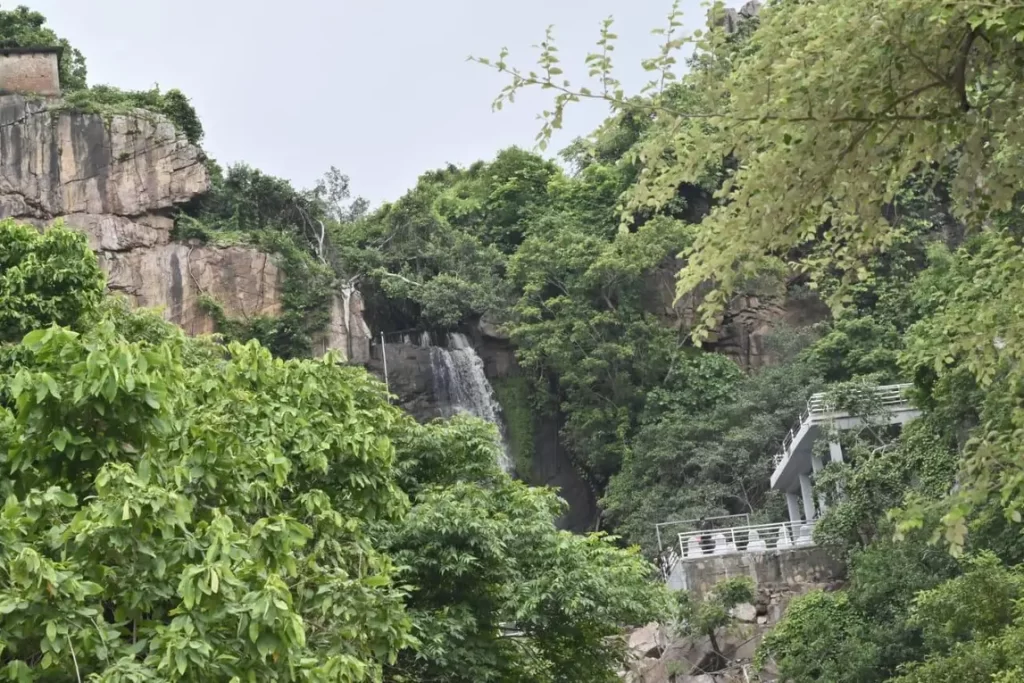
2. Dhuan Kund (Rohtas District, near Sasaram)
“Dhuan” translates to smoke, and the name isn’t marketing – the fine mist thrown up by the falling water genuinely looks like smoke drifting off the rocks, especially in the early morning light. It’s a twin-drop formation, and I’ve found the second, smaller drop is often missed by visitors who stop at the main viewpoint.
- Best time to visit: October to February, for cooler trekking weather and a still-strong post-monsoon flow
- Good to know: The approach involves a short but rocky descent – sturdy shoes matter more here than at most other Bihar waterfalls
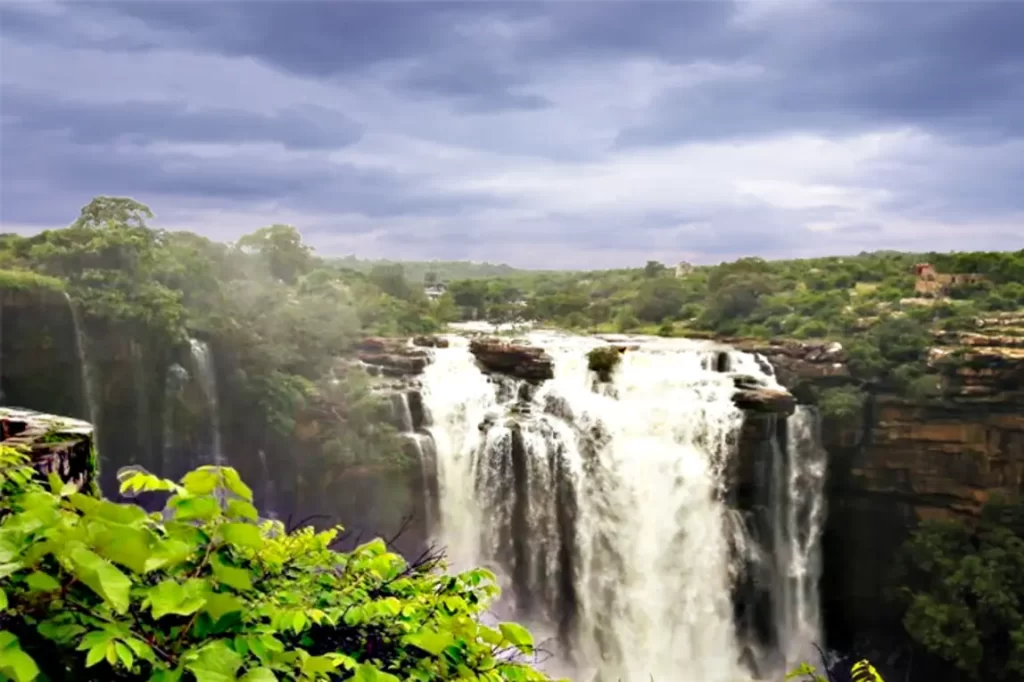
3. Tutla Bhawani Waterfall (Rohtas District)
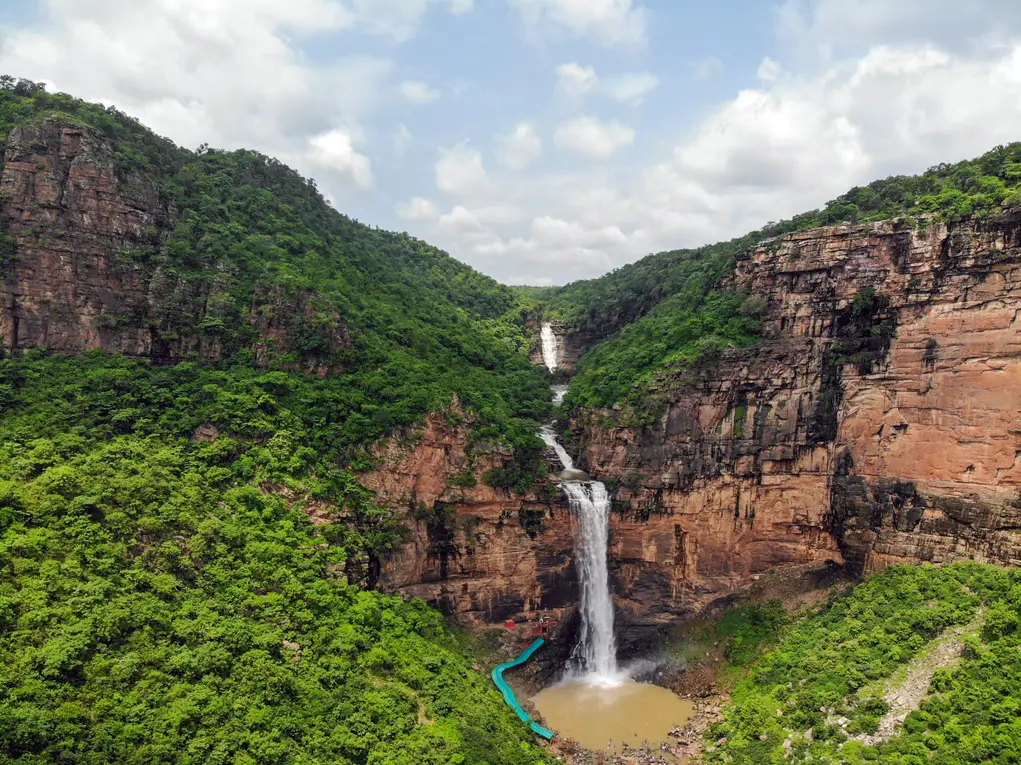
Tutla Bhawani Waterfall is as much a pilgrimage stop as a scenic spot. The waterfall sits right beside the Tutla Bhawani temple, and the combination of falling water and temple bells creates an atmosphere that’s genuinely different from the more tourist-oriented Kakolat.
- Best time to visit: October to February; the post-monsoon weeks see the heaviest devotee footfall, particularly around Navratri
- Local tip: If you want the waterfall without the crowd, visit on a regular weekday outside festival dates
4. Manjhar Kund (Rohtas District, Sasaram)
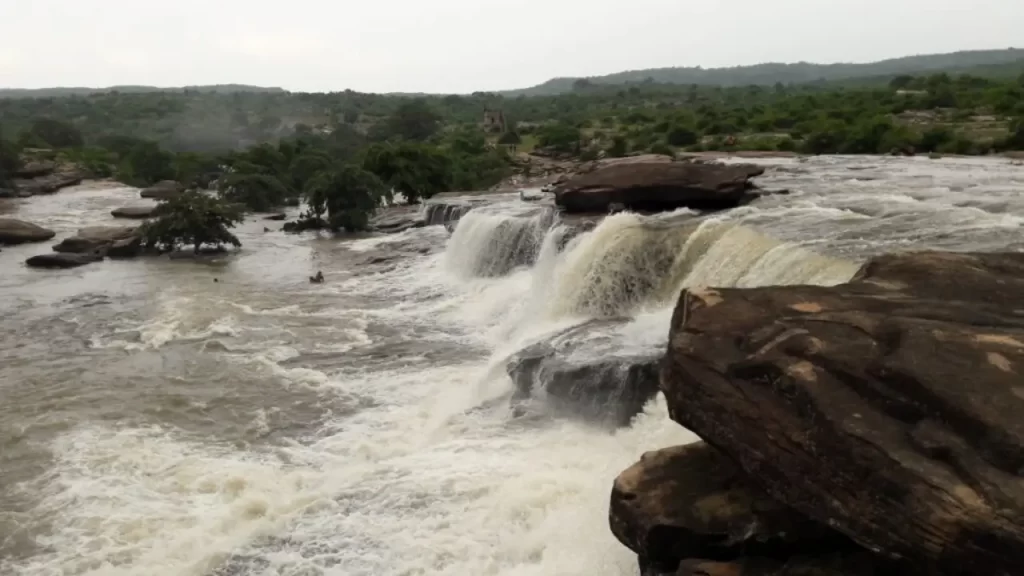
Manjhar Kund is quieter than Kakolat but arguably prettier in the early morning, when the water is glass-clear and the surrounding forest is at its most photogenic. It’s a solid pick for anyone who wants a picnic spot without the noise of the bigger, better-known falls.
- Best time to visit: October to February
5. Telhar Kund (Kaimur District)
Telhar Kund stands out for sheer height and for the trek required to reach it – this is not a drive-up-and-photograph waterfall. Expect a proper hike through forest trails, which makes it a favourite among trekkers rather than casual day-trippers.
- Best time to visit: October to February
- Safety note: Hire a local guide if you’re unfamiliar with the trail; the Kaimur forest paths are not always clearly signposted
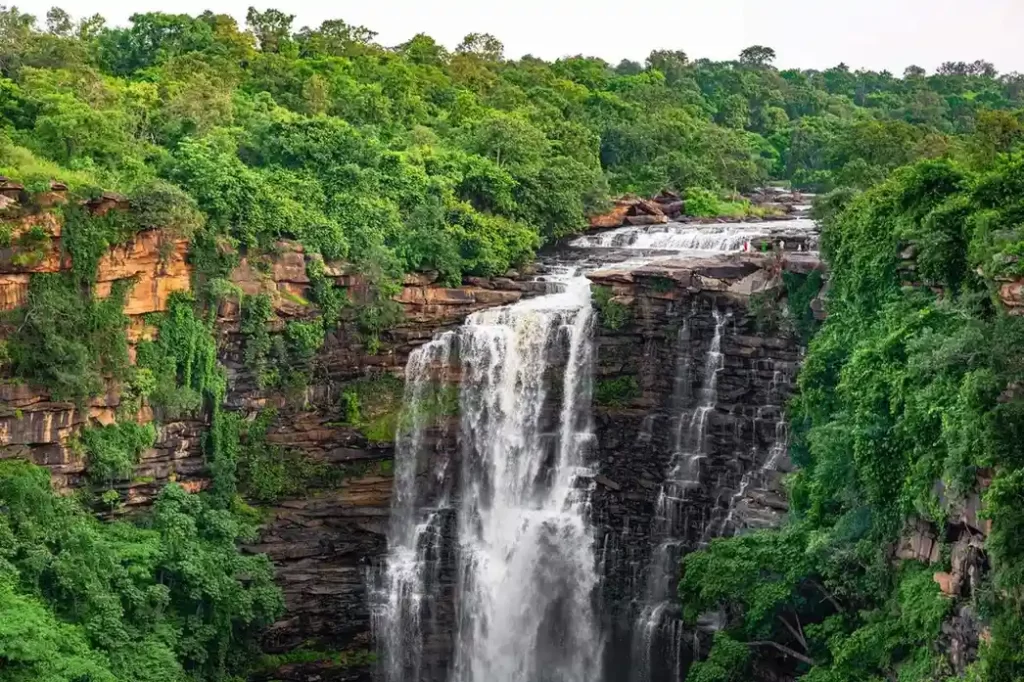
6. Karkat Waterfall (Kaimur District)
Karkat Waterfall – Karkat sits inside the wider Kaimur Wildlife Sanctuary belt, so the trip here usually comes with a side helping of biodiversity – deer, langurs, and a wide range of birdlife are commonly spotted along the approach trail.
- Best time to visit: October to March
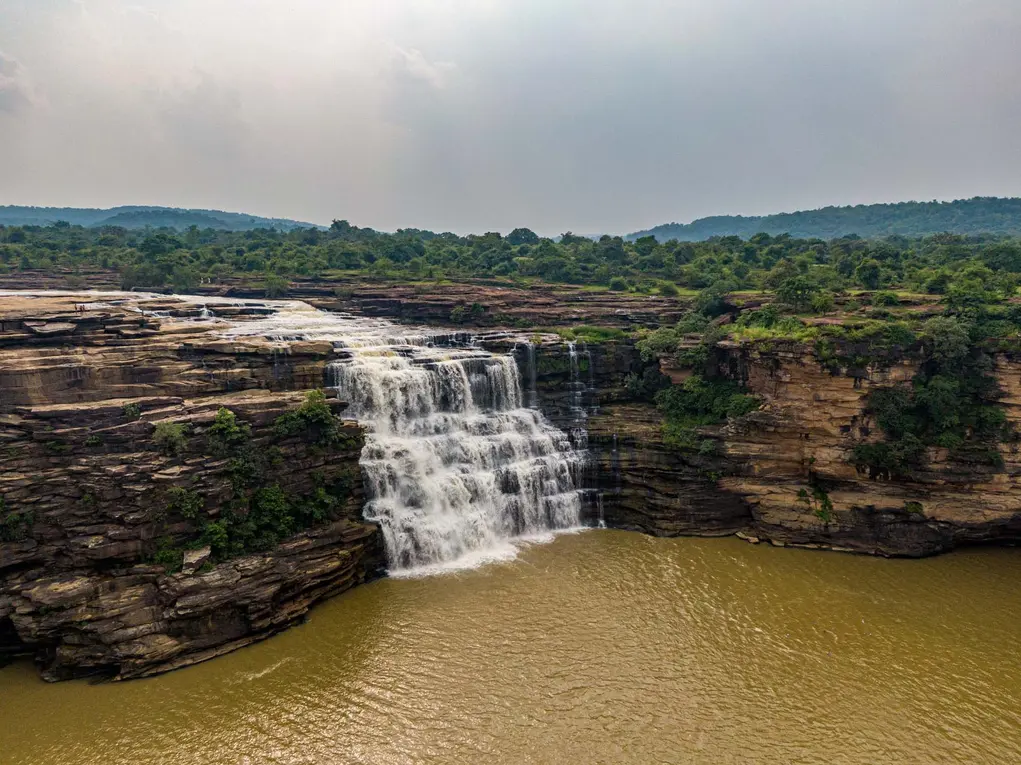
7. Gavar Ghat Waterfall (Kaimur District)
A quieter, less-photographed fall that peaks dramatically during the monsoon months, when the volume of water increases substantially. Outside of monsoon, the flow thins considerably, so timing your visit matters more here than at most entries on this list.
- Best time to visit: October to March (for scenery); July–September (for maximum water volume, monsoon conditions permitting)
8. Tons Falls (Rohtas District)
Named for its position along a Tons River tributary, this fall sits close to Dhuan Kund, so the two are usually visited together. The terrain around it – rocky ledges framed by dense green cover – makes it one of the better photography spots on this list.
- Best time to visit: October to February
9. Ramdhara Falls (Aurangabad District)
Less crowded and less publicised than the Rohtas or Kaimur cluster, Ramdhara is worth the detour if you’re already travelling through Aurangabad district. It’s a good option for travellers who want a calm nature walk rather than a busy tourist site.
- Best time to visit: October to March
10. The “Incredible Kaimur” Circuit
Rather than a single waterfall, this is the informal name given to the cluster of falls, caves, and forest trails spread across the Kaimur Plateau – including Karkat, Telhar Kund, and Gavar Ghat. If you have two to three days, treating the Kaimur region as a single circuit rather than chasing one waterfall at a time makes for a far more rewarding trip.
- Best time to visit: October to March
Quick Comparison Table
| Waterfall | District | Approx. Height | Best Months | Difficulty |
| Kakolat Falls | Nawada | ~150 ft | Oct–Apr | Easy (road access) |
| Dhuan Kund | Rohtas | Moderate, twin drop | Oct–Feb | Moderate |
| Tutla Bhawani | Rohtas | Moderate | Oct–Feb | Easy–Moderate |
| Manjhar Kund | Rohtas | Moderate | Oct–Feb | Easy |
| Telhar Kund | Kaimur | High | Oct–Feb | Difficult (trek) |
| Karkat Waterfall | Kaimur | Moderate | Oct–Mar | Moderate |
| Gavar Ghat | Kaimur | Moderate | Oct–Mar | Moderate |
| Tons Falls | Rohtas | Moderate | Oct–Feb | Moderate |
| Ramdhara Falls | Aurangabad | Moderate | Oct–Mar | Easy |
Practical Tips From On-the-Ground Visits
A few things I’ve learned the hard way over repeated trips that most listicles skip entirely:
- Monsoon flow is not the same as monsoon safety. July–September gives you the most dramatic water volume, but rocks are slippery and currents near the base pools can be deceptively strong. If swimming is on your agenda, post-monsoon (October–December) is the safer window.
- Mobile network drops off fast once you’re past the district towns and into the plateau forest roads. Download offline maps before heading to Kaimur or Rohtas district falls.
- Carry cash. Very few stalls or local guides near these sites accept digital payments.
- Combine sites by district, not by fame. Rohtas district alone holds Dhuan Kund, Tons Falls, Manjhar Kund, and Tutla Bhawani within a reasonably short driving loop – you can realistically cover three or four falls in a single well-planned day.
- Respect local sentiment at temple-adjacent falls like Tutla Bhawani – dress modestly and avoid loud music near the shrine areas.
Waterfalls in Bihar FAQs
Bihar has around a dozen well-documented waterfalls, almost all concentrated in the Kaimur, Rohtas, Nawada, and Aurangabad districts along the Kaimur Plateau. Kakolat, Dhuan Kund, Telhar Kund, and Karkat are the most frequently visited.
Kakolat Falls in Nawada district, with a drop of roughly 150 feet (about 45–50 metres), is generally recognised as Bihar’s tallest and most visited waterfall.
Telhar Kund in Kaimur district is often cited locally for its distinctive geothermal characteristics, which is part of what draws trekkers to the area beyond the waterfall itself.
Tons Falls, located in Rohtas district near Sasaram, sits along a tributary connected to the Tons River system.
October through February is the safest and most scenic window across nearly all of Bihar’s falls – post-monsoon water levels are still strong, and the weather is cool enough for comfortable trekking.
Kakolat, Manjhar Kund, and Ramdhara are relatively family-friendly with easier access. Telhar Kund and Karkat involve genuine forest trekking and are better suited to more experienced or older visitors.
This guide is compiled from multiple first-hand visits, district tourism information, and cross-verified geographic details. Travel conditions, road access, and safety situations can change seasonally – it’s always worth checking with local district tourism offices or recent traveller reports before setting out, particularly during monsoon months.


