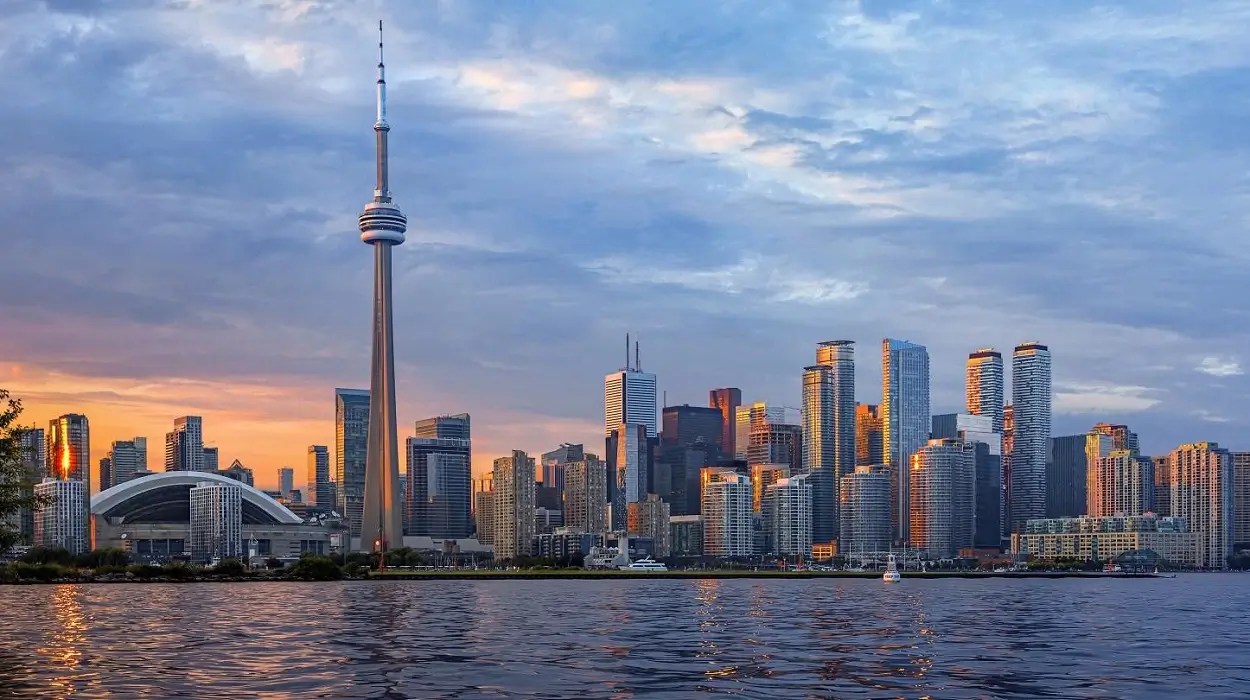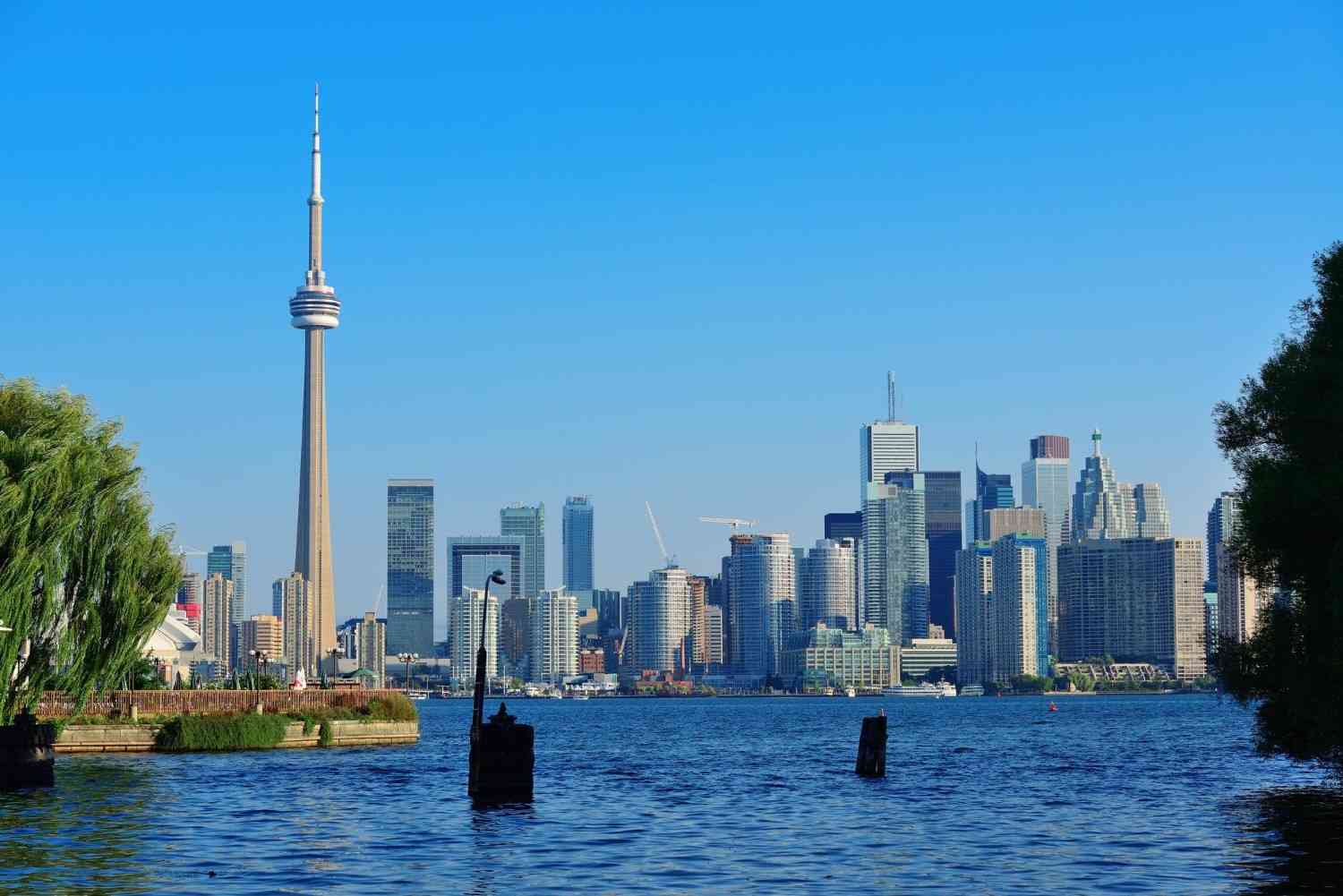
There’s a moment in Toronto, usually somewhere between your first bite of a peameal bacon sandwich at St. Lawrence Market and your third time getting turned around in Kensington Market, when you realize this city is far more layered than you expected. It doesn’t try to show off. It just pulls you in, quietly, one neighborhood at a time.
I arrived on a cool September morning, wheeling my bag along the waterfront with that familiar electric buzz of arriving somewhere new. Toronto sits on the northwestern shore of Lake Ontario, and the water gives the city a surprisingly relaxed, almost coastal energy that catches a lot of first-timers off guard. Whether you’re here for a weekend or a full month of exploration, knowing how to move through the city smartly makes all the difference. For content creators and travel journalists heading to the city, one useful tip worth knowing early: if you’re planning to document your trip properly, looking into audio equipment rental Toronto services beforehand saves you from lugging heavy gear across international borders. A company like AV-CANADA makes that process genuinely painless, with professional-grade gear available when and where you need it.
But let’s start where most great Toronto trips actually begin: with the neighborhoods.
The Neighborhoods Are the Real Attraction
Most people come to Toronto expecting a checklist of landmarks. The CN Tower, yes. Ripley’s Aquarium, sure. But the travelers who fall genuinely in love with this city are the ones who slow down and walk.
Kensington Market is a few square blocks of organized chaos in the best possible way. Vintage clothing shops rub shoulders with Jamaican patty spots, Mexican taquerias, and shops selling incense and crystals. On a weekend afternoon the streets practically hum. It’s the kind of place where you wander in looking for a coffee and walk out two hours later with a secondhand leather jacket and three new restaurant recommendations from a stranger.
Distillery District feels like stepping onto a film set, except everything is real. The Victorian-era industrial architecture has been beautifully preserved and repurposed into galleries, restaurants, boutiques, and a year-round arts calendar. Go in the morning before the tour groups arrive, grab a coffee from one of the independent cafes, and just walk slowly. The cobblestones and red brick walls do something good to the soul.
Little Italy and Little Portugal, side by side along College Street, offer some of the city’s best restaurant strips. Grab a patio seat on a warm evening and you’ll understand why Torontonians are so stubbornly loyal to their city.
Getting Around Without Losing Your Mind
Toronto’s TTC subway system is manageable, though it has its quirks. The grid-based street layout is your best friend once you understand that major streets like Yonge, Bloor, and Queen anchor the whole map. Street cars run along several key corridors and are genuinely charming, if occasionally slow.
For day trips, renting a bike through Bike Share Toronto is one of the city’s great hidden pleasures. The Martin Goodman Trail stretches along the waterfront for miles and offers a completely different view of the city away from the downtown noise.
If you’re visiting between November and April, pack accordingly. Toronto winters are serious. Locals navigate this through the PATH, an underground network of tunnels connecting much of downtown that you’ll either find ingeniously efficient or deeply disorienting, depending on your sense of direction.
Where to Eat (And What Not to Miss)
Toronto is legitimately one of the most exciting food cities in North America, and anyone who tells you otherwise hasn’t tried hard enough.
Chinatown along Spadina Avenue has some of the best dim sum you’ll eat outside of Hong Kong. Go on a Sunday morning, expect a wait, and order more than you think you need.
The St. Lawrence Market area is non-negotiable. The peameal bacon sandwich is the local obsession, but the building itself, with its vendors and energy and centuries of history, is worth an hour of unhurried wandering on its own.
For upscale dining, the stretch of King Street West has become one of the more interesting restaurant corridors in Canada. Reservations are usually necessary and almost always worth making.
Arts, Culture, and the Unexpected
The Art Gallery of Ontario, redesigned by Toronto-native Frank Gehry, is genuinely spectacular both inside and out. The permanent collection is strong, the special exhibitions are worth planning your trip around, and the building itself is a piece of art.
Nuit Blanche, the city’s all-night contemporary art festival held every October, transforms the streets into an open-air gallery and is one of those events that reminds you how alive a city can feel when it gives its creative community room to breathe.
The Royal Ontario Museum, with its dramatic crystal addition jutting out over Bloor Street, is worth a half day at minimum, particularly if you have younger travelers in tow.
A Few Honest Travel Notes
Toronto is an expensive city. Budget accordingly, especially for accommodation in the downtown core. Booking a few weeks out makes a meaningful difference.
Weather is genuinely variable. Even in summer, a light layer for evenings is smart. The spring and fall shoulder seasons are arguably the best times to visit: fewer crowds, beautiful light, and the city operating at its most comfortable rhythm.
Tipping culture mirrors the United States: 18 to 20 percent is standard in restaurants and common for other services.
The Kind of City That Stays With You
Toronto doesn’t announce itself with grand spectacle. It earns your affection slowly, through accumulation. A perfect meal here. A conversation with a stranger there. The way the light hits Lake Ontario on a clear afternoon from the islands ferry. The way the neighborhoods each feel like their own small city, complete and confident and entirely themselves.
If you’re the kind of traveler who prefers discovering a place over simply seeing it, Toronto will give you as much as you’re willing to look for. Come with open days, a comfortable pair of shoes, and very few fixed plans. The city has a way of filling in the gaps in the most satisfying ways.
FAQ: Toronto Travel Questions Answered
Late spring (May to June) and early fall (September to October) are widely considered the best times to visit. The weather is comfortable, crowds are manageable, and the city’s outdoor spaces and festival calendar are in full swing. Summer is lively but can be hot and busy, while winter offers a quieter, more local experience for those who don’t mind the cold.
Yes, Toronto consistently ranks among the safer major cities in North America. As with any large urban destination, common-sense precautions apply, particularly late at night or in quieter areas, but solo travelers of all backgrounds generally report feeling comfortable and welcome throughout the city.
A minimum of four to five days allows you to cover the main neighborhoods, hit a few key cultural attractions, and eat well without feeling rushed. A full week is ideal if you want to include a day trip to Niagara Falls (about 90 minutes away) or spend more time getting genuinely lost in the city’s quieter corners.
Kensington Market, the Distillery District, Queen Street West, and the Waterfront are the most rewarding starting points. Each has a distinct character and all are easily walkable or accessible by transit. From there, wander outward based on your interests.
For most visitors exploring the city itself, a car is more burden than benefit. The TTC subway and streetcar network covers the core well, Bike Share is excellent for waterfront and neighborhood exploration, and rideshare apps fill the gaps. A car becomes useful mainly for day trips outside the city.